
Building Respectful Relationships
Jaimala Kannan, Advisor & Mentor
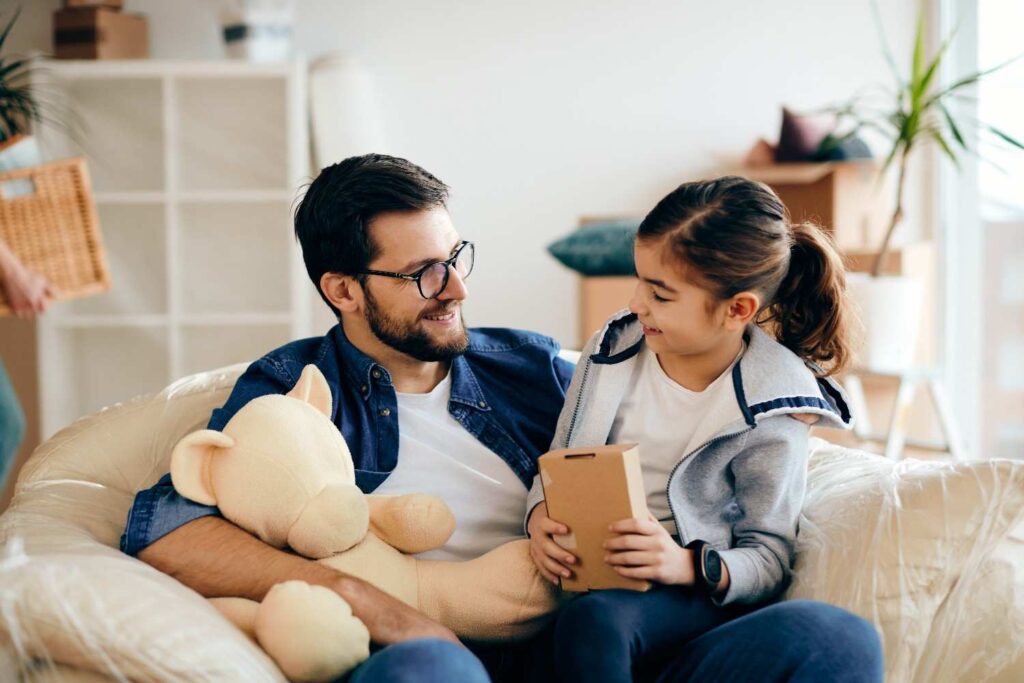
A common phrase often echoed by parents and teachers is: “Children don’t listen to us or show any respect.” This sentiment has sparked many debates within the parent and teaching communities. But why? Isn’t it time for introspection and seeking answers to this? Isn’t it our duty as citizens of this world to ensure that the future of the human race upholds cultures, values, traditions, and beliefs?
When children are young, fathers take pride in telling their friends and relatives that their son wants to drive a car like them or grow up to be like them. The child idolises their dad, often imitating his ways. Similarly, little girls want to dress like their moms and enjoy role-playing as mothers. Children take great pleasure in making cards for their parents on special occasions and even use their piggy bank savings to buy little gifts for them. However, fast forward to the teenage years, and phrases like, “Mom, you don’t know anything; this dress is lousy,” or “Can you please leave me alone? I’m not interested in going out with you; it’s boring,” become common.
During the formative years of schooling, parents often seek the teacher’s help to discipline their child, requesting things like, “Can you please tell my child not to eat Lays or drink Pepsi? He will listen to whatever you say.” Some parents even ask teachers to intervene if their child is misbehaving or quarreling with siblings. And indeed, the teacher’s words sometimes work like magic. Children love sharing every little detail with their teachers, from bringing love notes, sketches, and flowers to narrating the happenings at home. However, as children grow older, all we hear from teachers are complaints of disrespect, impertinence, and disobedience.
Doesn’t this warrant introspection from the teaching and parent community?
Gone are the days when teachers were revered as gurus who were always right and all-knowing. We now live in an age where children are bombarded with information from all sides, making them forthcoming, well-informed, and confident. Why do teachers think they need to be respected automatically just by virtue of being one? What teachers need to understand is that children are not obliged to respect them solely because they are teachers. Children are individuals with their own identities who deserve respect. It goes without saying that there needs to be mutual respect among humans.
Adults are often busy with their schedules and deadlines, but how many of us have given thought to the fact that children have tighter schedules with school assignments, tests, competitions, and various classes their parents enroll them in? Today’s children lead lives resembling corporate executives, rushing from one activity to another. The gadgets they use add to their restlessness, and what they watch, such as cartoons featuring fights and the desire to always be one step ahead, further influences their behavior.
Innocence in children is becoming increasingly rare, leading us back to the question: why is the meaning of respect lost to the child? Upon analysis, it becomes clear that this is often not a premeditated action but rather a result of the casual attitude or desire to be “cool.” In such a situation, the responsibility of understanding the child falls upon the adult. However, as parents and educators, we are yet to let go of our preconceived ideas of how a child should be. The issues we face stem from our fixations. Have our mindsets changed with the times? Are we expecting obedience from our children? Perhaps we are, and there’s nothing inherently wrong with that. However, how we convey this to the younger generation has changed—they don’t like being told what to do; they prefer being spoken to and involved in discussions and decisions. Every individual has the right to respect, so let’s treat children with the same. Let’s give them what we’d like to receive. Treat children as independent individual thinkers on this earth.
In a classroom setting, teachers can rephrase “class rules” to “class agreements” and engage in discussions with children about what would help or hinder their learning. Collaboratively drafting these agreements often yields positive results. We need to stop assuming a position of authority and instead learn with and from our students. Flexibility trumps rigidity.
Hollywood actor Kiefer Sutherland once said, “I think the most attractive thing is a sense of humour. If someone can make you laugh, you’ve gotten a lot out of the way.” Imagine if a teacher applied this—students would be eating out of their palm. Learning would be perceived as a fun activity, and school as cool.
Many reactions stem from the fear of failure. If we instill the idea that failures are a road to success and encourage creativity, the pressure will ease. Acknowledging and apologizing for mistakes only increases one’s respect quotient, and the same applies to interactions with children. Before reacting, we should ask ourselves, “Is it important? Does it warrant a reaction?”
We must also be empathetic to the physiological changes that lead to emotional upheaval in children. They are at a crossroads, being told they are grown-ups while still expected to behave like children. In such turmoil, it becomes the duty of adults to steer children towards the right path, making them responsible and proactive citizens of the world. They are the future of mankind, and we must pledge to protect and nurture this invaluable resource.
What kind of house I lived in,
How much I had in my bank,
What my clothes looked like,
One hundred years from now,
It will not matter what kind of school I attended,
What kind of computer I used,
How large or small my house is.
But the world maybe …..
A little better because……
I was important in the life of a child”